Category: Public Safety02.10.2026
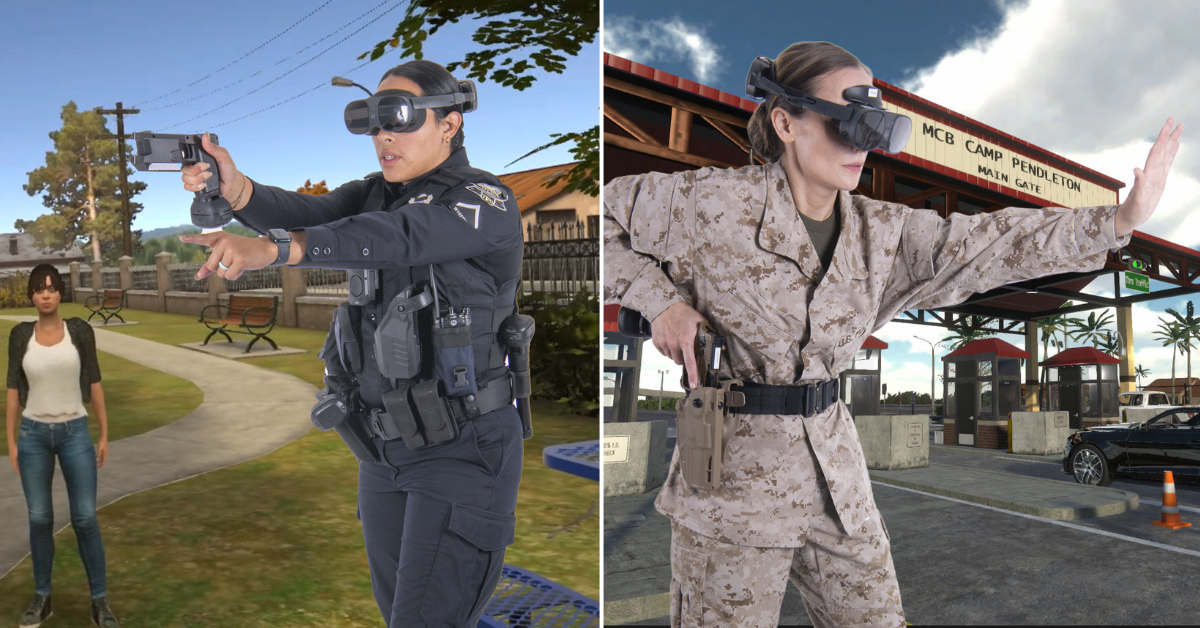
Military police, often called MPs, and regular civilian police officers are two very similar professions with a lot of overlapping responsibilities and training requirements. However, there are just as many key differences between the two jobs that many people may not be aware of. In this article, we compare and contrast in detail the duties, training, and responsibilities of both military police and standard police officers.
The role of military police is to enforce laws on military bases as well as to conduct patrols and to respond to domestic incidents. MPs, by definition, must be members of the United States military and their jurisdiction is limited to military bases as designated under the Uniform Code of Military Justice (UCMJ).
The role of regular civilian police officers is to enforce laws in broader civilian jurisdictions, to patrol public areas, and to respond to emergencies. Instead of working specifically for the military, they work for federal, state, or local authorities and their jurisdiction is over civilians both on and off base.
The first key difference between military police and regular police is that they have very distinct jurisdictional authorities. MPs are strictly limited to military installations and have absolutely no authority outside of military bases. Regular police officers meanwhile have their authority extended across various civilian jurisdictions (local, state, or federal).
Another main difference between MPs and ordinary police officers is the legal systems they are sworn to enforce and which members of society they have authority over. Military police officers enforce military law according to the UCMJ on service members, and their authority is very limited over civilians. In comparison, regular police officers are in charge of enforcing civilian laws and regulations and have a much broader jurisdiction over civilians than MPs.
Although there are some similarities, military police and regular police are very different when it comes to standard career progression and mandatory training. All MPs must attend an initial military boot camp training as well as further unique MP training afterward if they want to specialize. Regular police officers meanwhile attend a very different civilian academy for training that focuses specifically on law enforcement within their given jurisdictions.
As for career paths, military police officers are heavily influenced by individual military assignments and deployments that vary widely from person to person. The career paths of regular police officers do not depend on such things and there are instead pretty standard opportunities for specialization in various departments, including becoming a sergeant, a detective, a patrol officer, etc.
The daily responsibilities and the total scope of work also differs between the two professions. Military police officers are primarily responsible for providing military base security and handling incidents involving service members with regards to military law. Regular police officers must deal with a much wider range of public incidents according to local, state, and federal law and they are in charge of daily enforcing civilian laws across broader jurisdictions.
The first main similarity that military police officers and regular police officers share is that they have shared functions. Both professions are there to enforce laws, to conduct patrols, and to overall ensure public safety within their respective jurisdictions. Their duties overlap specifically in areas like responding to incidents, conducting investigations surrounding said incidents, and handling crime scenes.
The second main similarity shared between MPs and civilian police officers is that both professions have an emphasis on physical and mental preparedness. Their daily duties require a high level of physical fitness and mental resilience, and a mix of stress management and crisis response training are essential.
Military police training involves a comprehensive training regimen that combines a classic introductory military boot camp with MP-specific education. This latter course naturally involves an emphasis on discipline, teamwork, and understanding of military laws and operations, and there is a special focus on conducting law enforcement within high-stress military environments.
Law enforcement training looks very different and involves learning about basic civilian law enforcement, including legal procedures, community policing, and communication skills. Regular police officers can also receive specialized training for specific areas beyond standard civil duties such as criminal investigation, traffic control, and counter-terrorism.
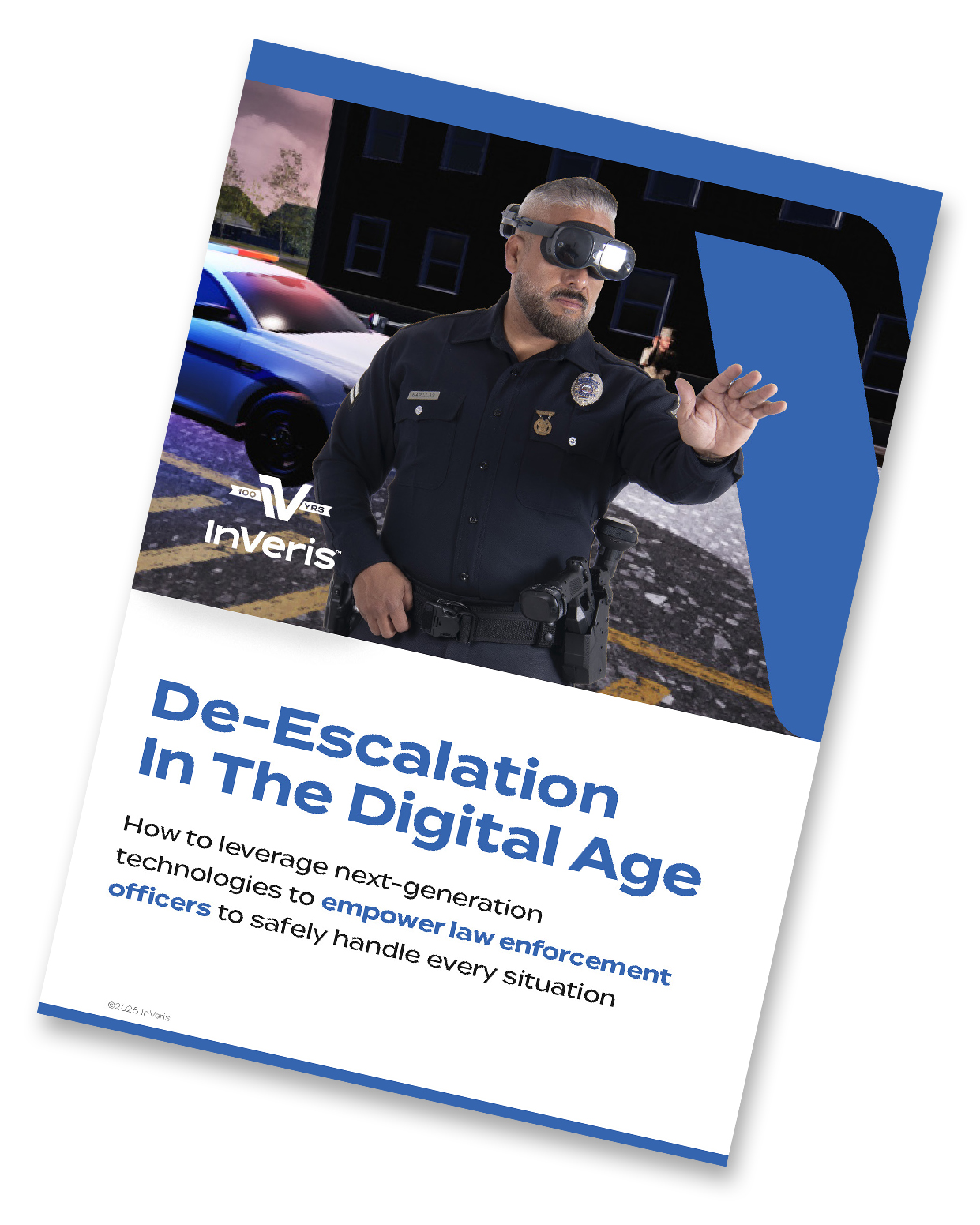
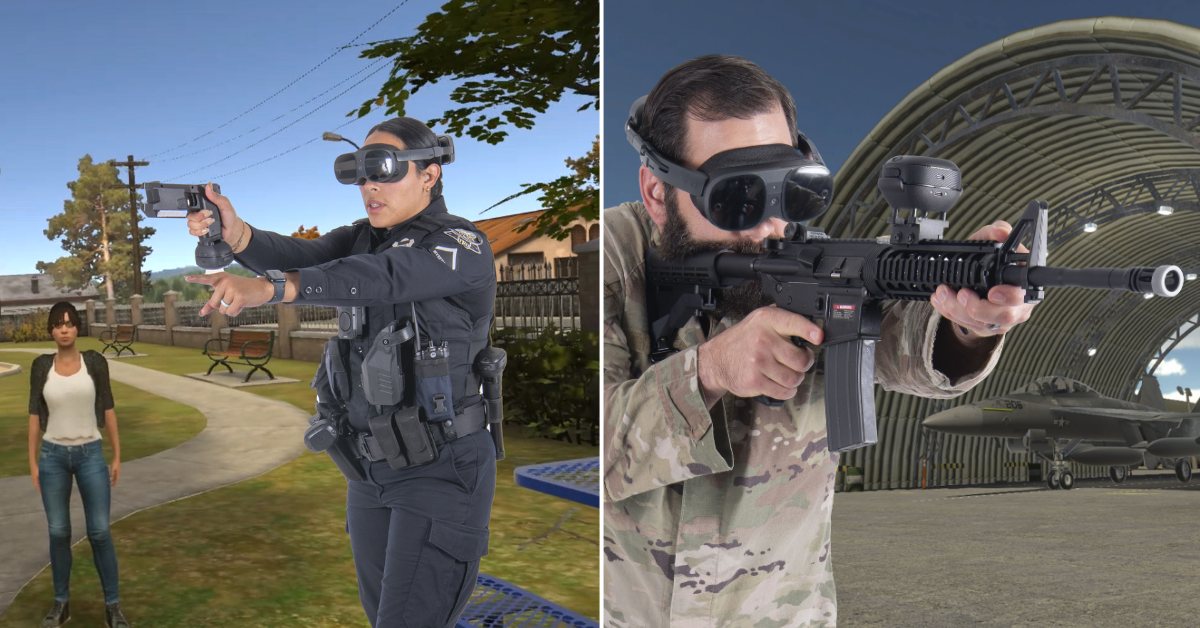
Virtual reality training is a perfect fit for all police de-escalation simulations, and the repeatable and adjustable scenarios help officers build a muscle memory when it comes to making decisions related to use-of-force. One prominent example of these programs is InVeris’ Police De-Escalation Training for Law Enforcement.
VR training also works well for helping military and regular officers improve marksmanships and other elements of tactical weapons training. InVeris has a patented and immersive virtual weapons training system with a special program dedicated to tactical small arms training. They use realistic weapons and put personnel in customized scenarios so that they can work on their marksmanship as well as certain de-escalation techniques.
Modern virtual reality training programs also have a variety of useful instructor tools that help police and military supervisors teach their officers. After-Action Review allows for instructors to review officer performance from multiple viewpoints so that their actions during each scenario can be properly analyzed.
In summary, military police and regular police officers have many differences, including distinct jurisdictional authorities, separate legal systems that they enforce, varying training regiments, unique career path progressions, and a difference in daily responsibilities on the job. However, they are still two professions that require a lot of physical fitness and mental fortitude since they both involve enforcing the law.
Understanding the unique training paths and responsibilities of MPs and regular police officers is important for anyone considering either profession. These similarities and differences are also good to keep in mind for anyone who wants to work and live on or near a military base so that they understand who the law enforcement officers around them are and what their functions are within specific jurisdictions.

Fill in the form below and we'll send a link for you to download the White Paper to your inbox.
Fill in the form below and we'll send a link for you to download the White Paper to your inbox.
Fill in the form below and we'll send a link for you to download the White Paper to your inbox.