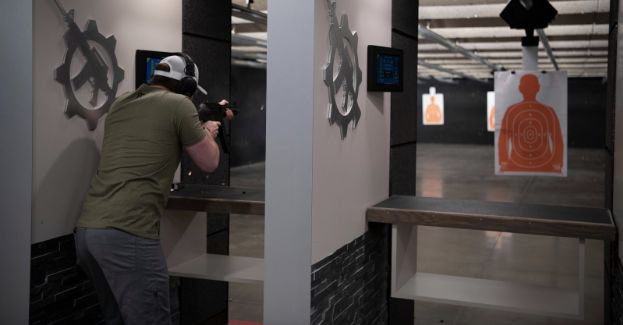
no company has fielded more ranges than caswell. since 1926.
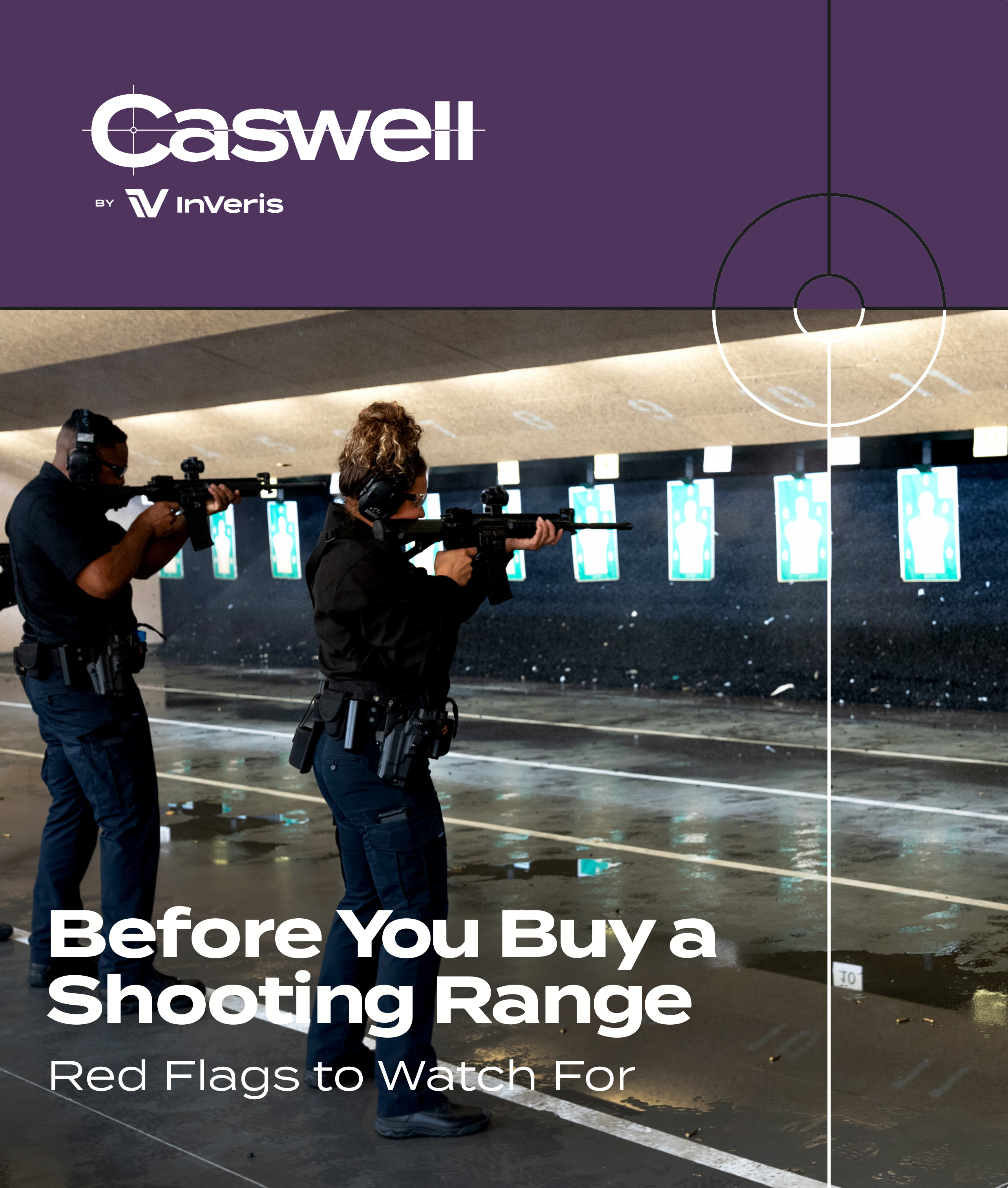
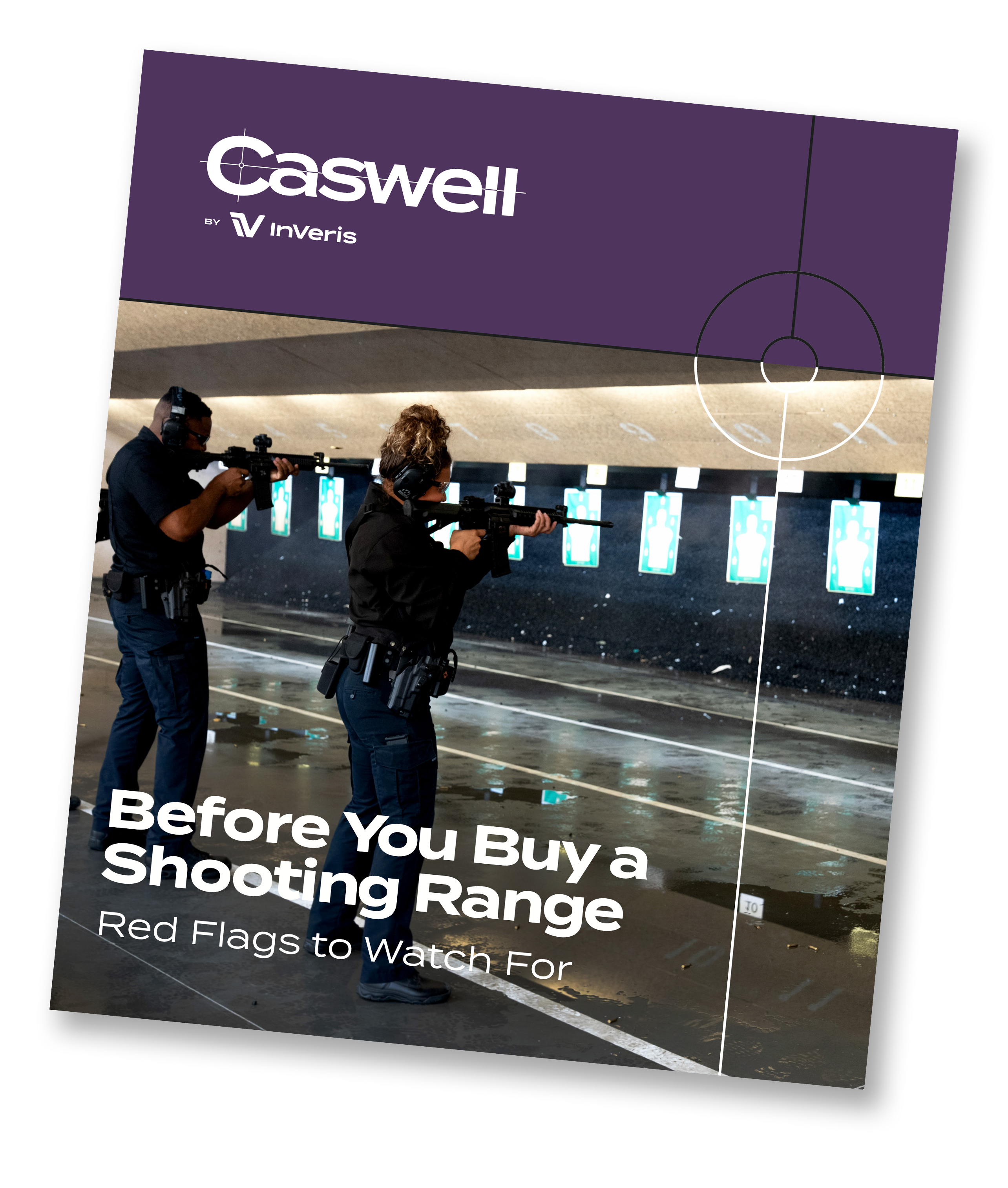
Buying or building a shooting range? It’s wise to learn the red flags to spot early. Zoning, permits, environmental lead risks, ventilation, bullet traps, financial claims. This white paper covers everything you need to know to make purchasing a shooting range a smarter decision and a smoother, well thought-out and less surprising experience.
Learn the Red Flags Now.
We offer all elements to create a short-term and long-term foundation for project success:
Schedule time with one of our Experts
IMPROVING HUMAN PERFORMANCE LIKE NO OTHER RANGE CAN
who we serve

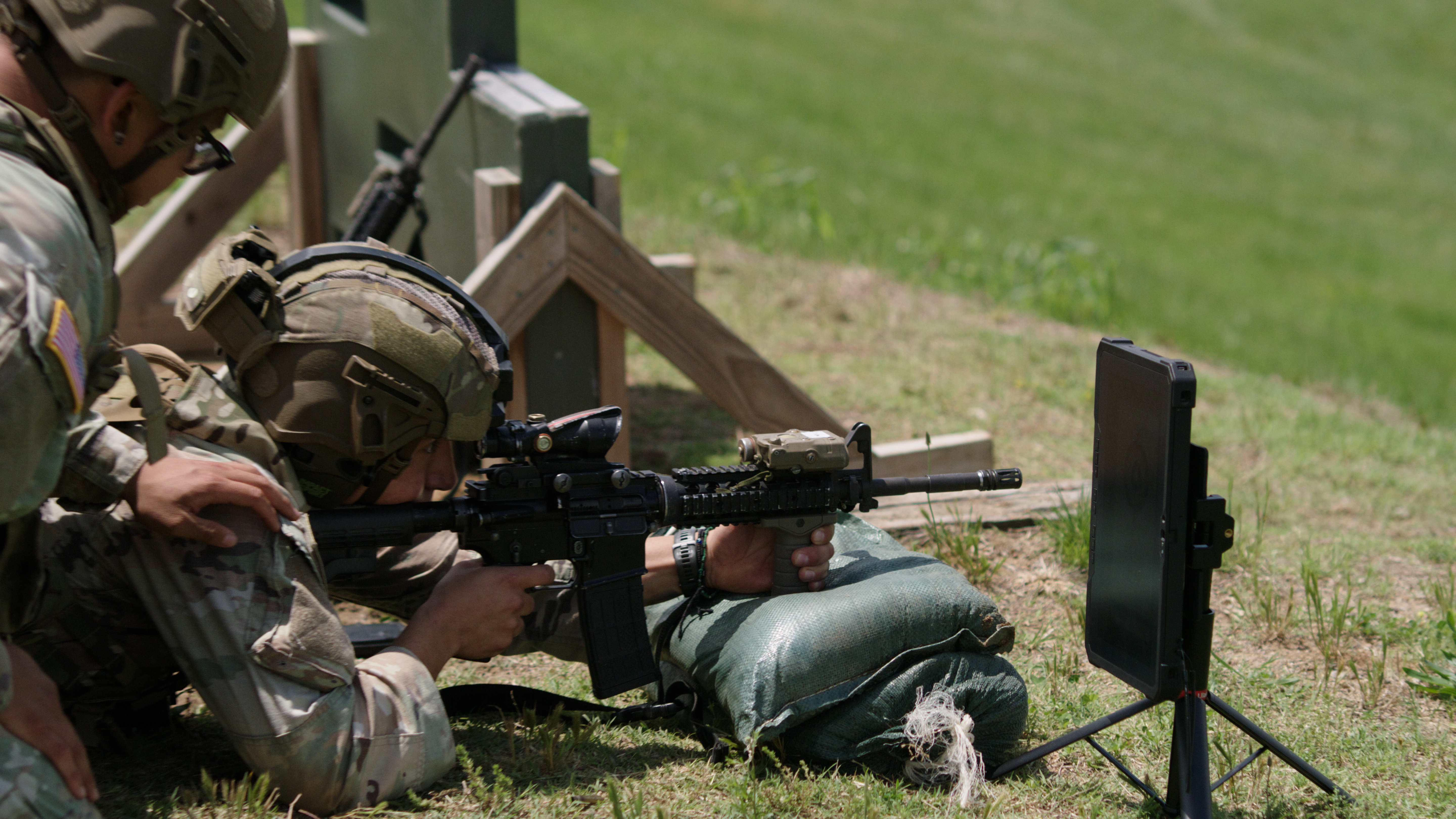
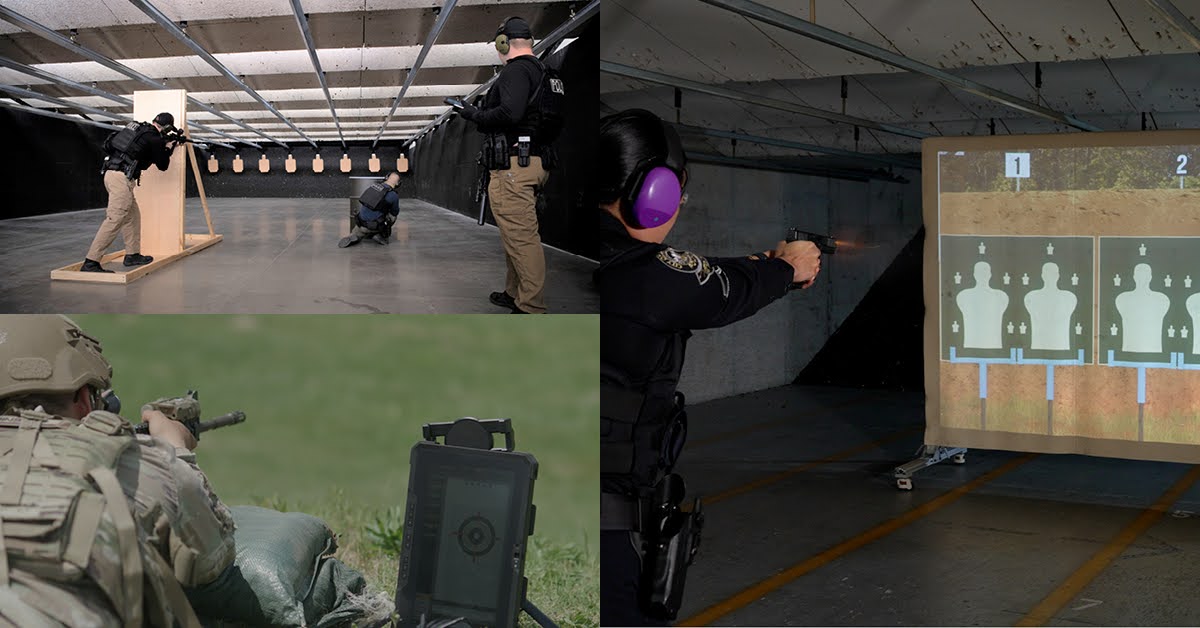
As the global leader in live fire training, only Caswell offers Defense organizations and allied militaries the benefit of a century of innovation, knowledge, experience, data and performance feedback. No wonder we have 90,000 military live fire systems on 130 bases worldwide.
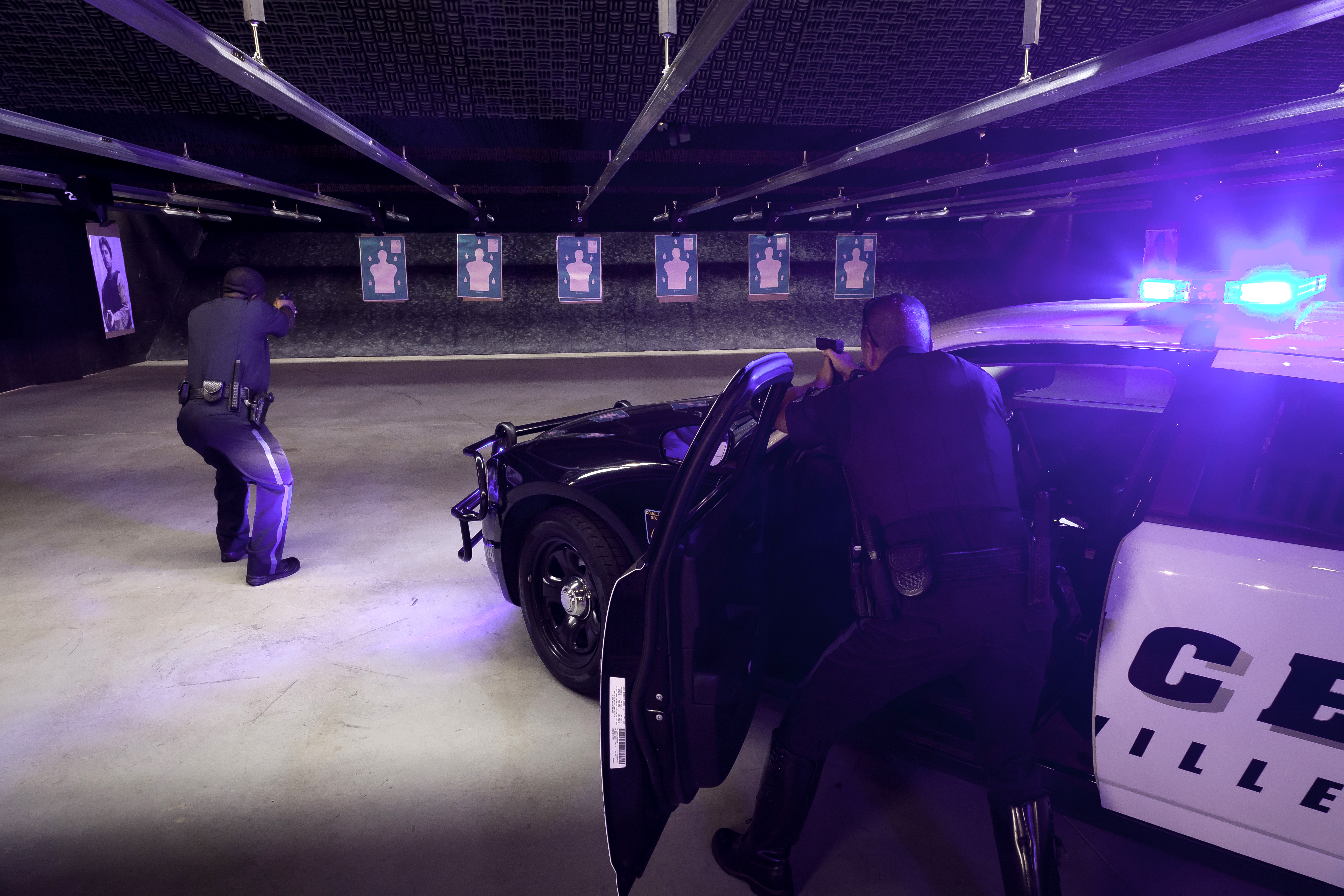
Caswell live fire ranges are far more than the world leader in improving marksmanship. They also improve Public Safety performance in today’s world. From targets that can move to firing live ammo at a fats® LIVE projection on a self-healing screen, simulating any modern situation.
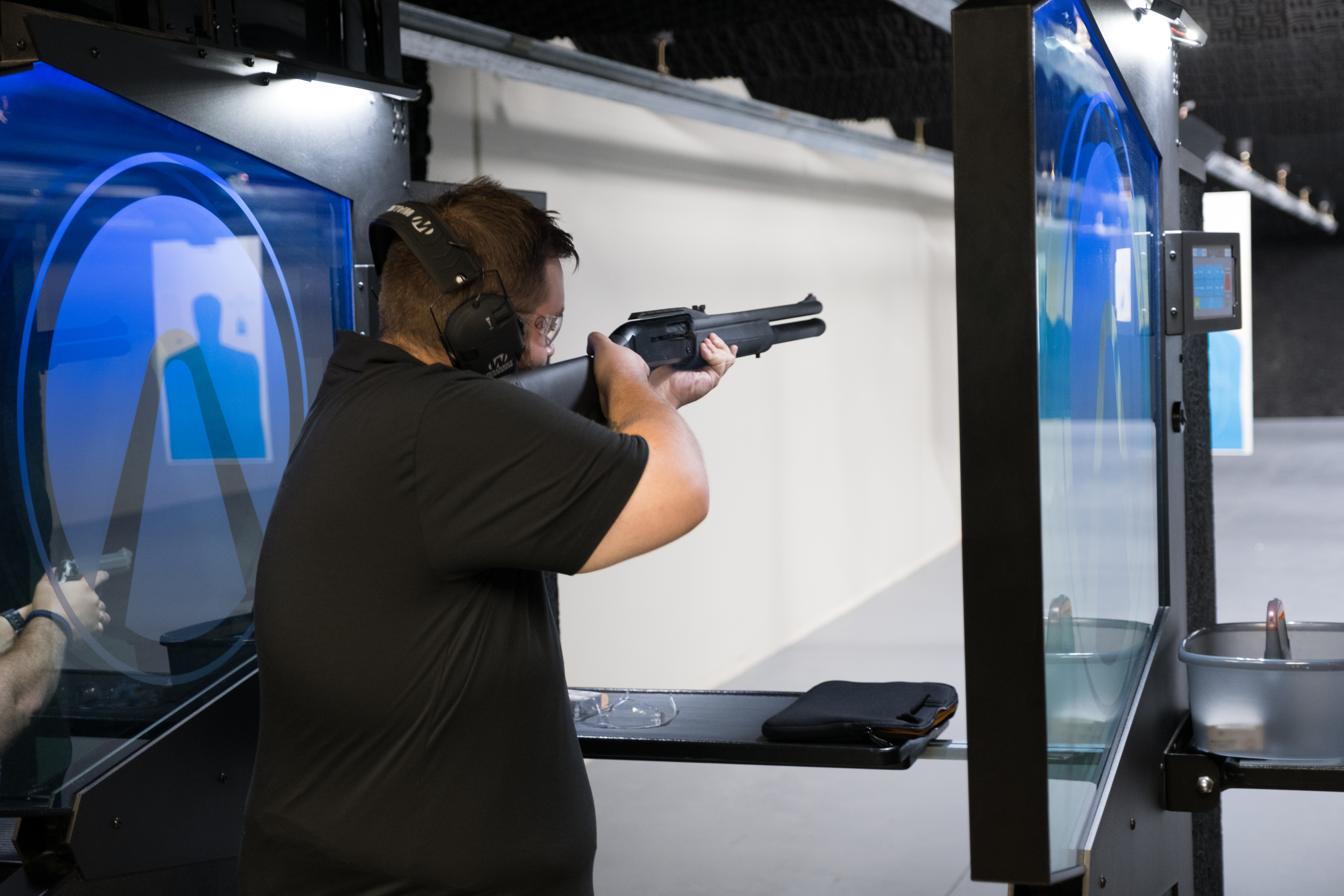
Only our 100 years of experience, leading-edge technology and innovation spans every phase of Commercial range creation. Architecture, design, development, manufacturing and integration. All improving shooter performance and building your business like no one else can. Start to beyond finish.
CASE STUDY
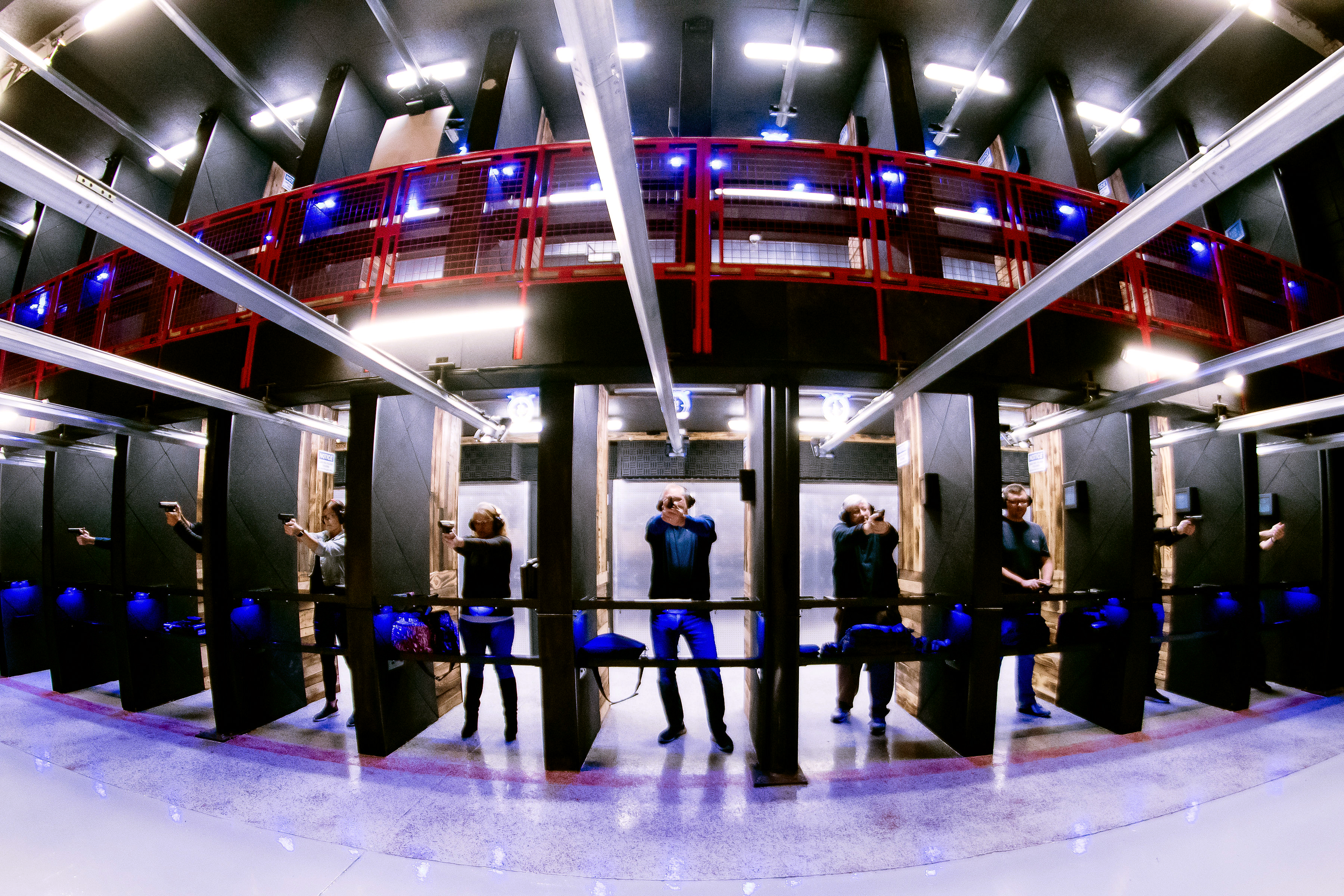
Download this case study to learn more about the development of one of the best and most unique ranges in the world, which has earned a National Shooting Sports Foundation five-star ranking. Caswell worked with the Parma Armory Shooting Center in Cleveland to think outside the box, driving increased use by new and experienced shooters. As many as 500 customers enjoy the modern features, including a double deck with 21 40-foot shooting lanes with digital target control and a wide range of target variation.

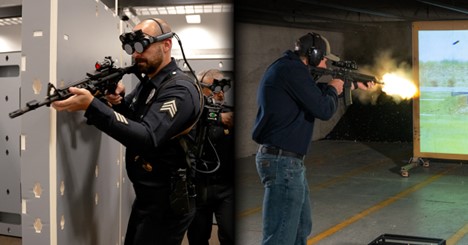
Upgrade your range to grow your business with fats® LIVE. This innovative hybrid training system combines the best of simulation training with the unmatched realism of live fire shooting. The result is enhanced realism and effectiveness of live fire ranges and training in real world situations. All in a leading-edge, safe and controlled environment.
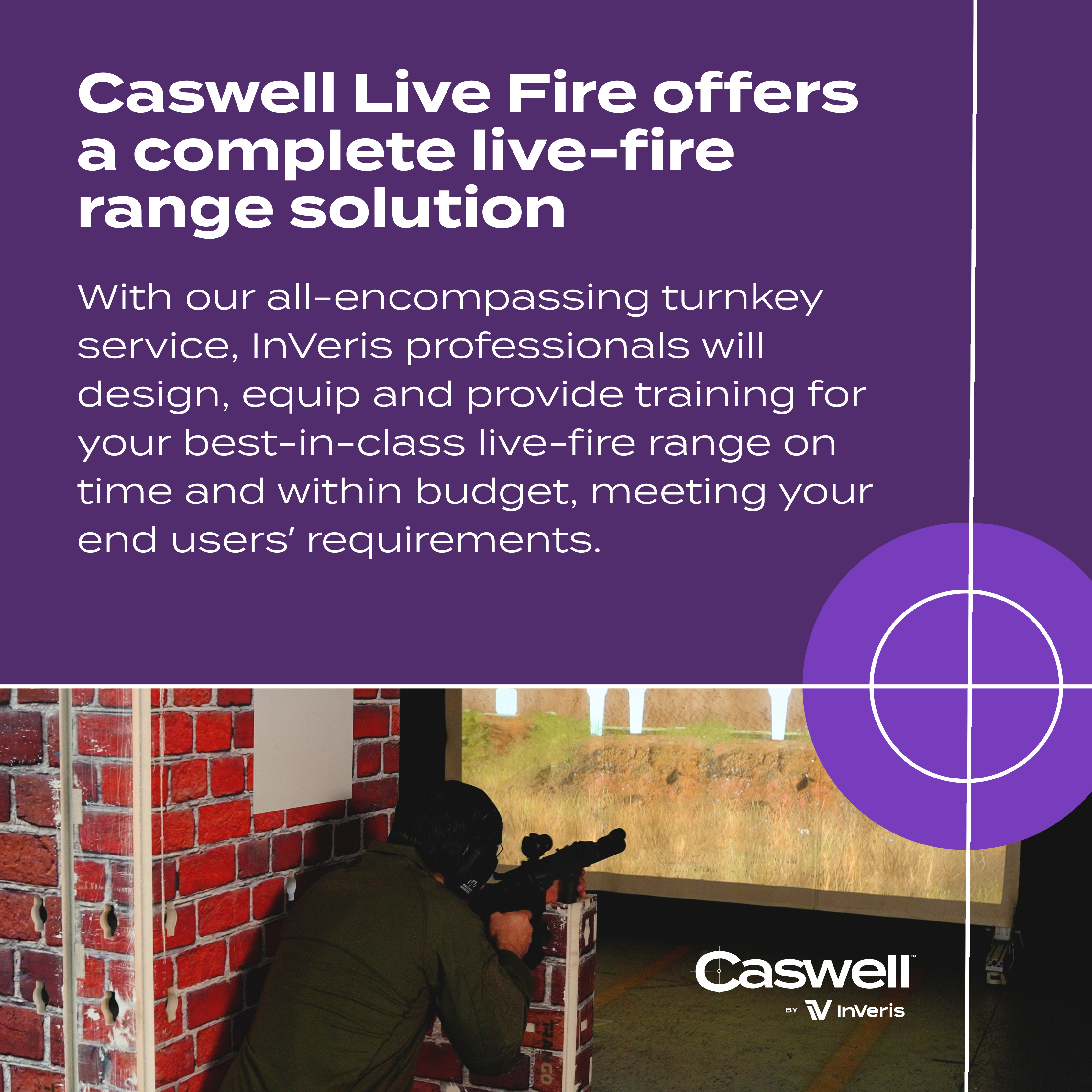
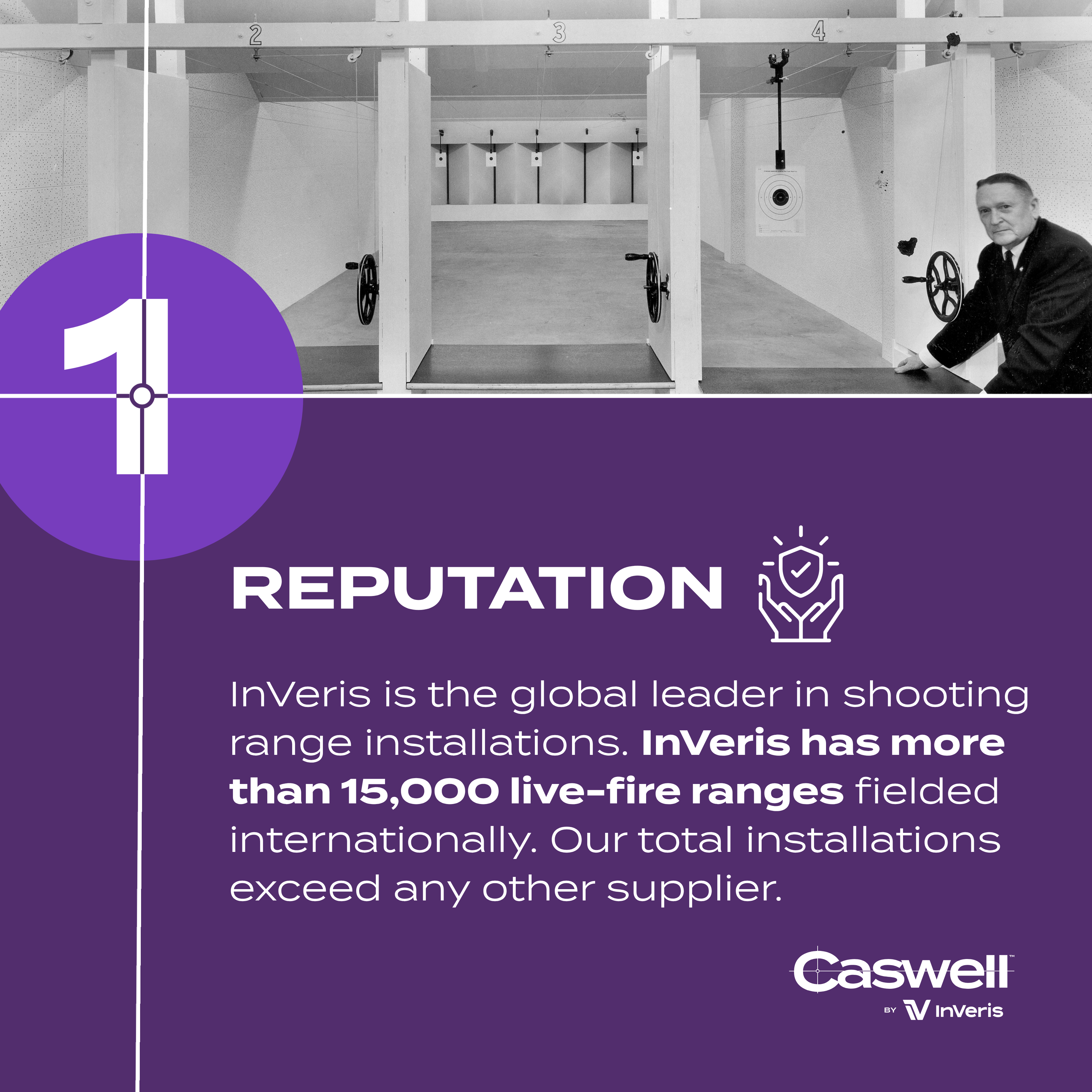
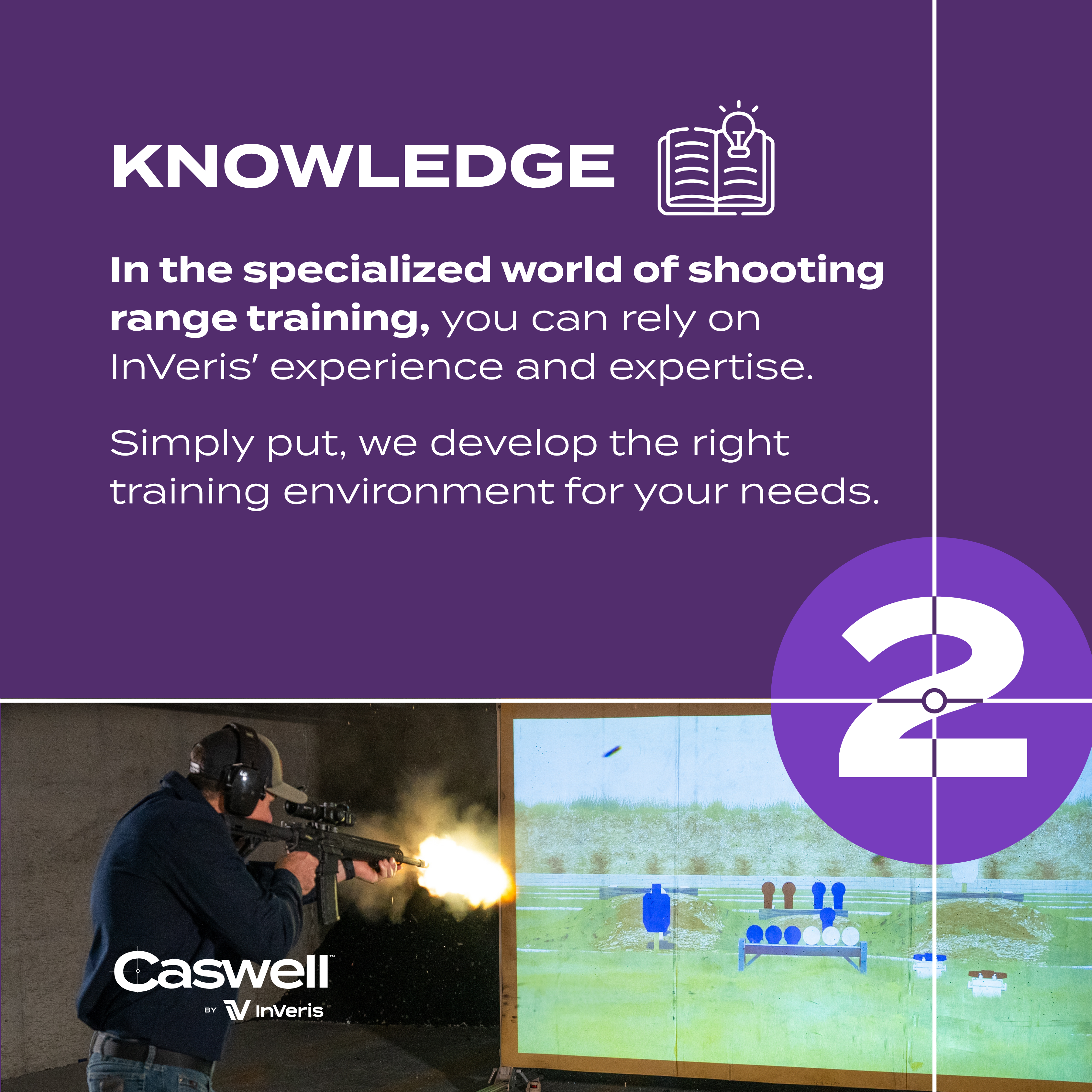
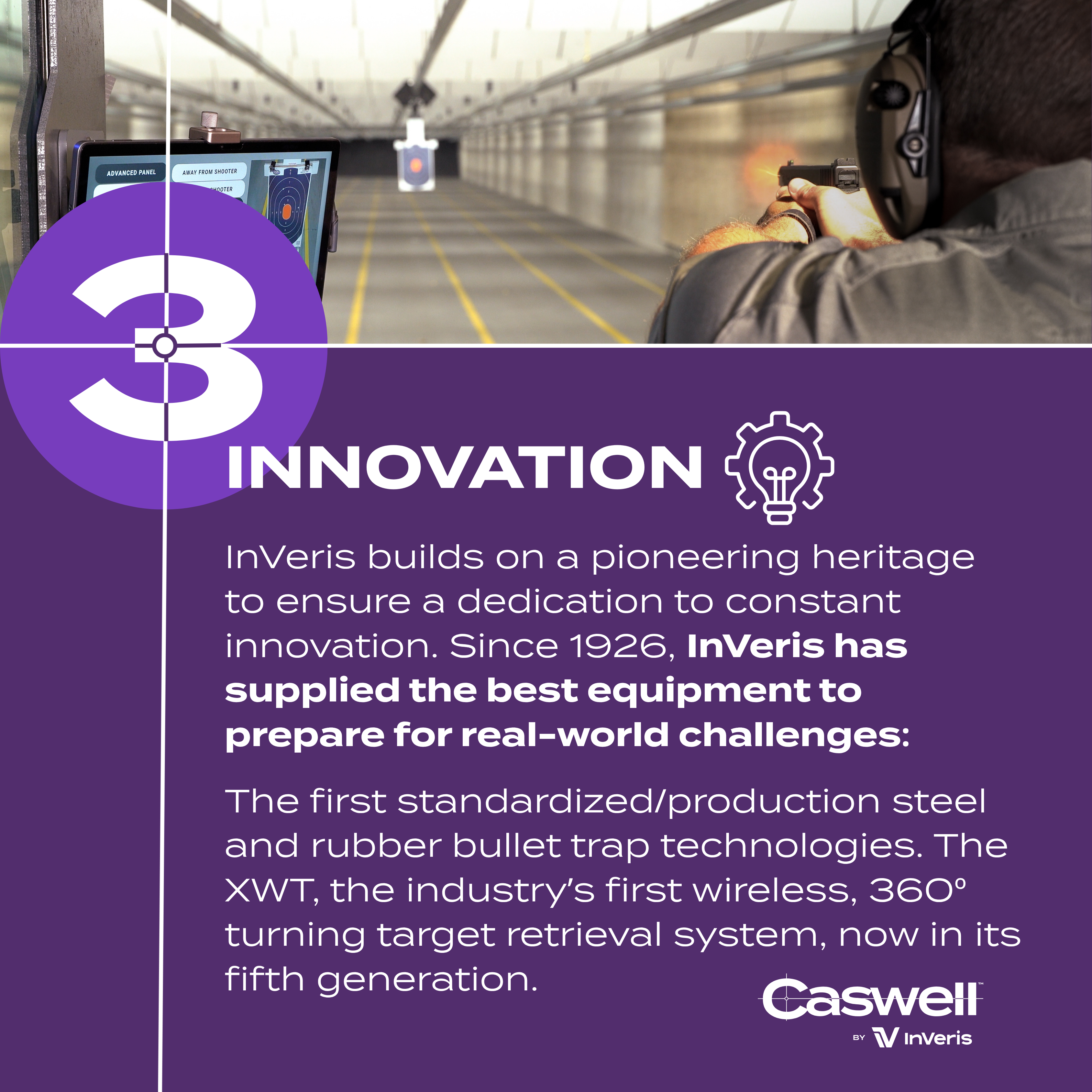
Top 5 reasons to work with InVeris
Schedule time with one of our Experts
build a range worksheet
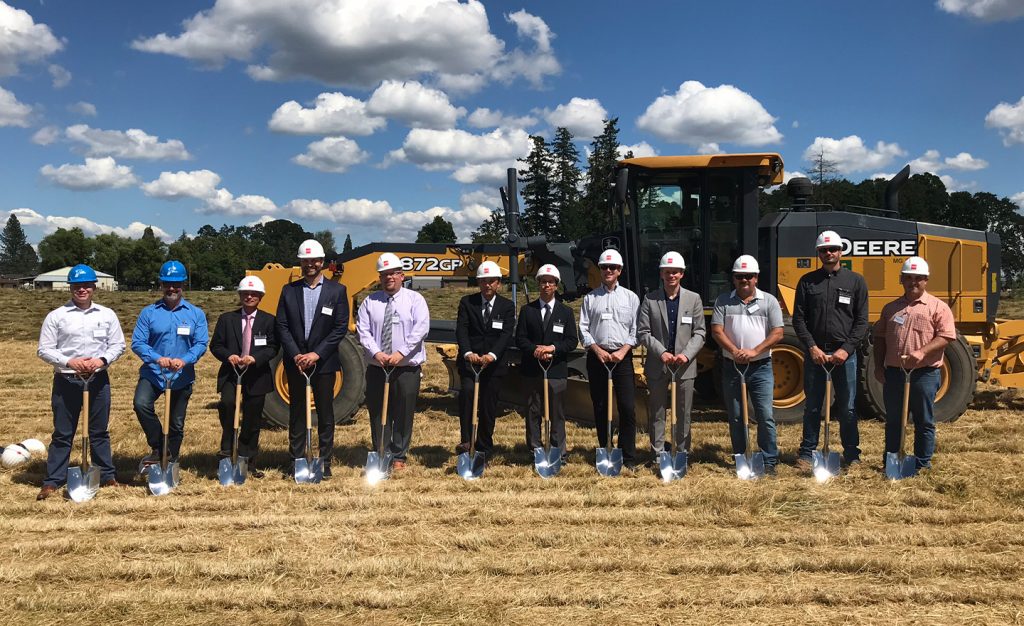
While early live fire ranges were fairly simple, today’s outdoor and indoor ranges require a deep understanding of physics, engineering, metallurgy, ballistics, and ventilation. Modern ranges require insight into energy conservation, sustainability and occupational health and safety regulations. All areas where Caswell invention, innovation and partnership shine. So click on the button below and complete the worksheet. It’s your first step to building a state-of-the-art gun range.
grants are available. we can help
Caswell understands that today’s law enforcement and public safety personnel rely on real-world training to succeed on the streets or in any public or community situation, while maintaining their own safety. We also understand that funding remains a roadblock for many departments and agencies To ease some of the funding burden, Caswell is pleased to offer free grant assistance through a partnership with Police1/Lexipol Media Group. Learn how to find and easily apply for grants for your training needs.
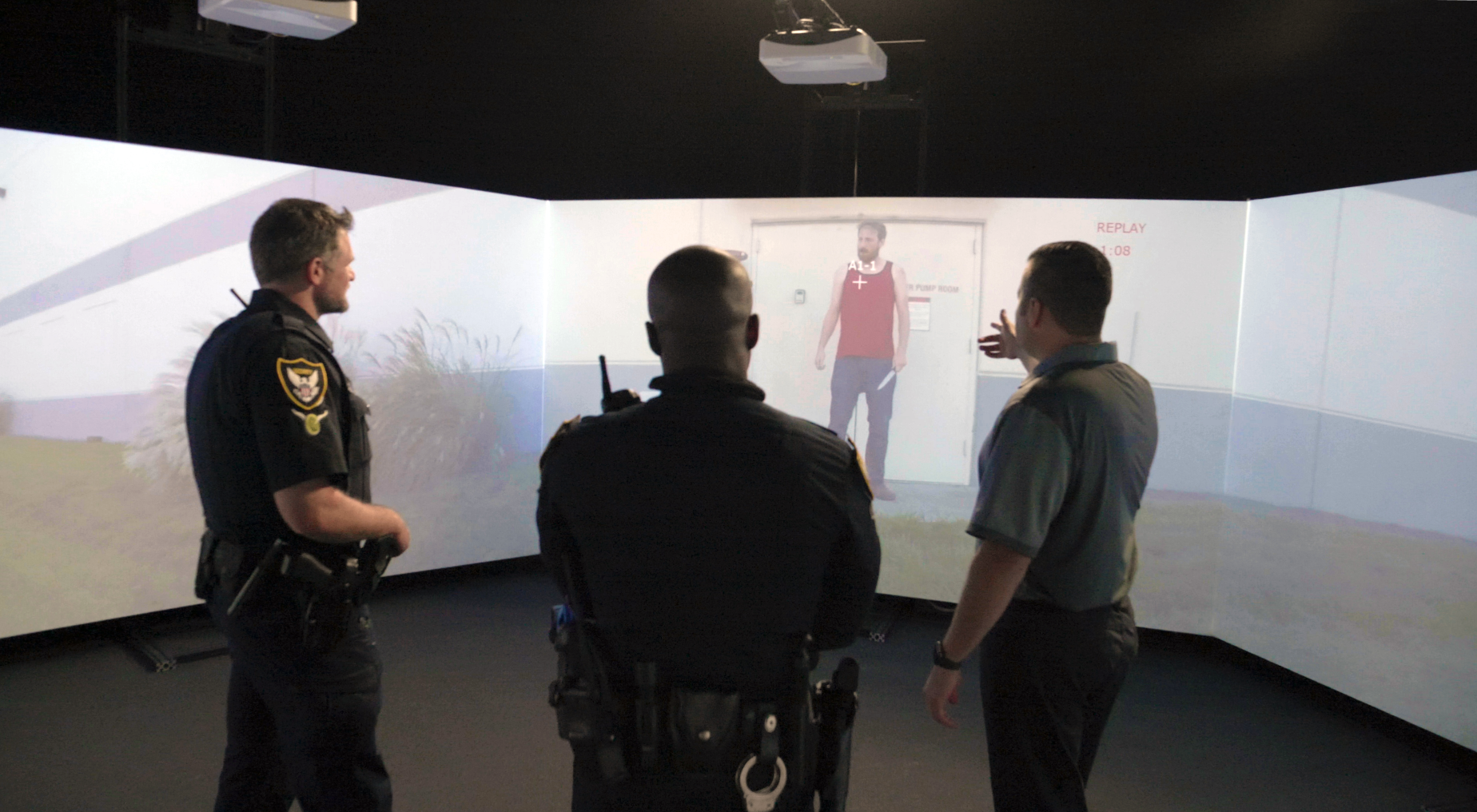
THE #1 WEBSITE FOR BUILDING PRODUCT INFORMATION
ARCAT® is your complete source for finding, selecting, detailing and specifying building products. It offers the most extensive, consistent, and up-to-date CAD, BIM and specification libraries available anywhere. Perfect for helping you build a quality, durable, innovative indoor or outdoor Caswell range, upgrading an existing facility and building the foundation for unrivaled success.
featured products
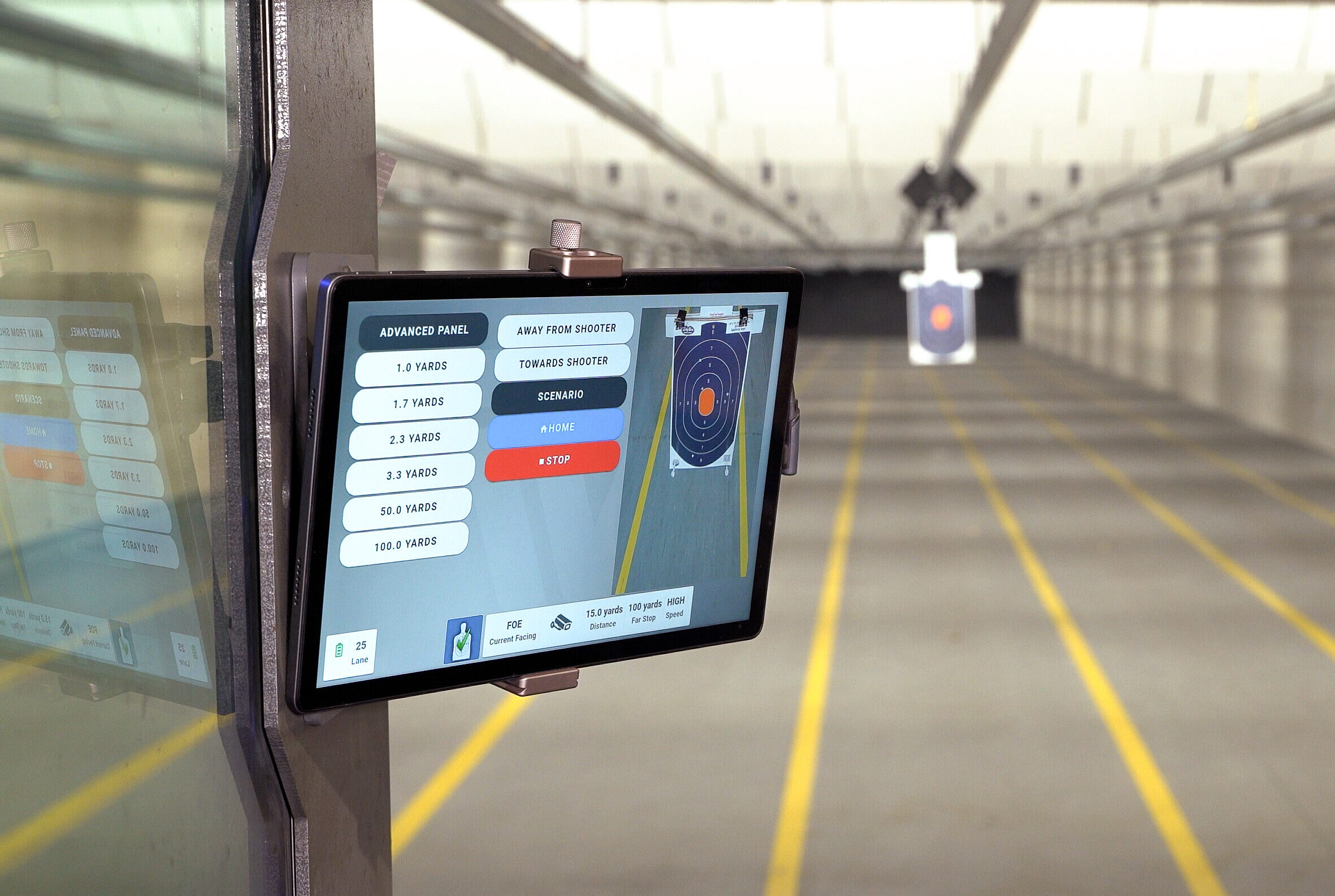
XWT Pro builds on our platform and adds instant shooter feedback and enhanced safety awareness. Integrated high-definition cameras provide immediate shot placement feedback, and a large 13" lane controller delivers a clear target view and intuitive operation.

The Portable LOMAH system adds an adjustable base, power pack, wi-fi radio and optional self-healing static target to the proven LOMAH Bar.
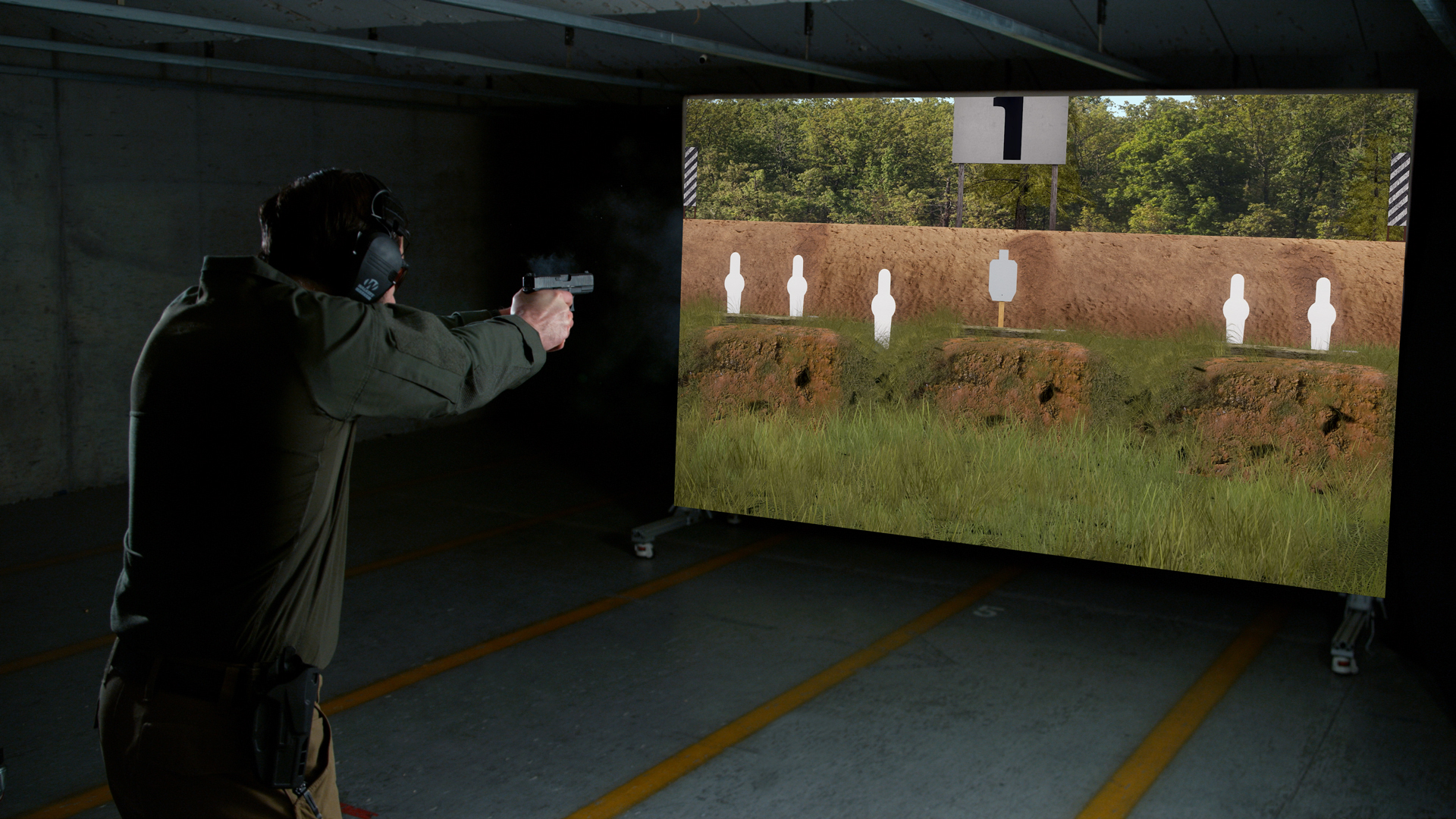
Now your range can combine the best of leading-edge simulation training with the unmatched realism of live fire shooting in a safe, controlled environment.
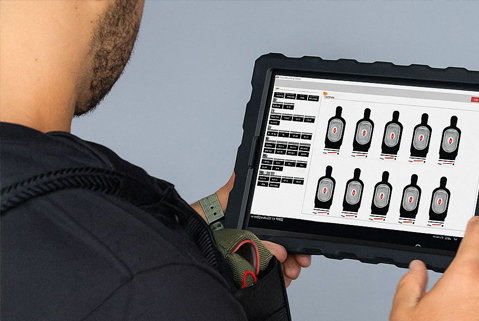
Our easy-to-use range control system offers instructors and range personnel the ability to write, store and run training scenarios.
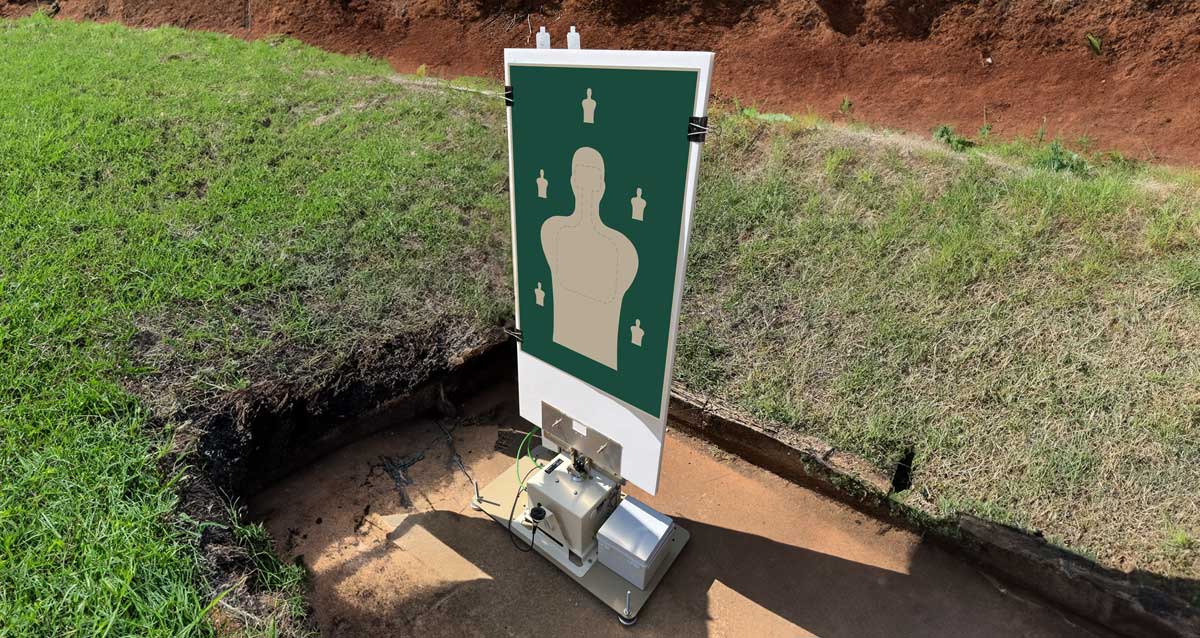
Designed for comprehensive outdoor live fire training training where and when you want to train. Without being tethered by power cord.
With a century of invention, innovation and design experience, Caswell is the industry leader, from design to well beyond installation.
Schedule time with one of our Experts
100 years of knowledge
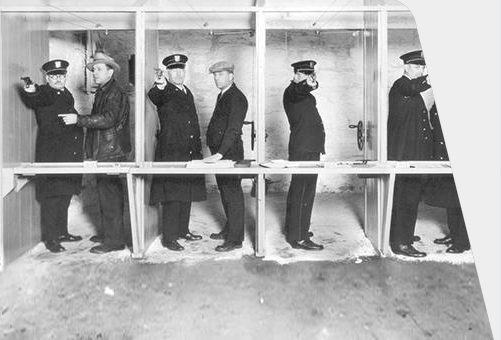
Caswell invents the world’s first bullet trap.
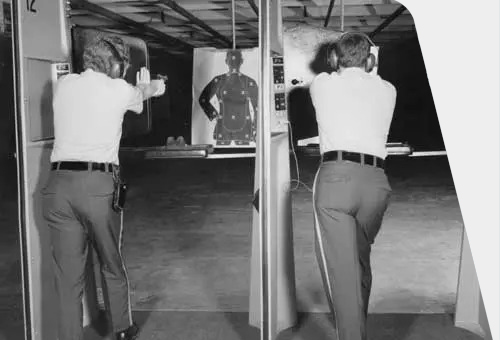
Caswell develops the world’s first shoot/no-shoot situational training and friend-or-foe range training.
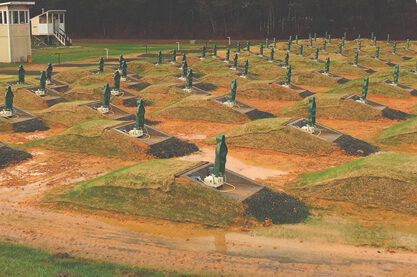
Caswell expands into both the U.S. and foreign military markets, providing equipment for indoor and outdoor shooting ranges.

Firearms Training Systems (fats®) is established in Atlanta, Georgia. fats® is the first company in the world to produce interactive firearms training simulations for public safety and military markets.
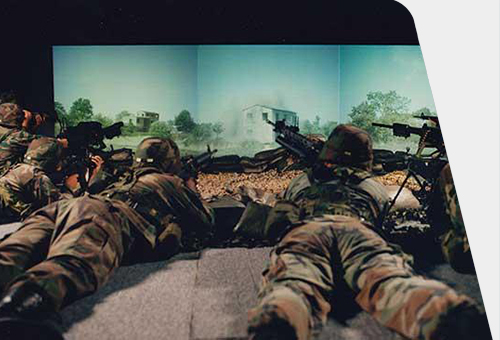
fats® produces the world’s first stand-alone firearm that interacts with a video scenario.
fats® second generation with video branching is introduced with multiple scenario outcomes based on the trainees’ actions.
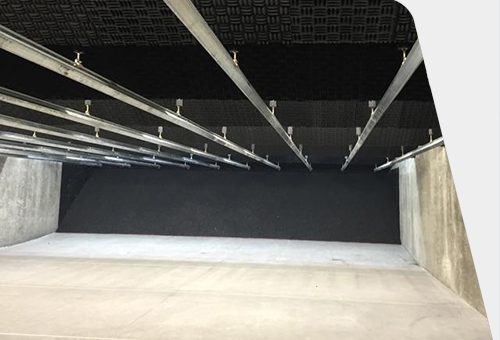
Caswell develops and patents the GranTrapTM, the world’s first rubber bullet trap.
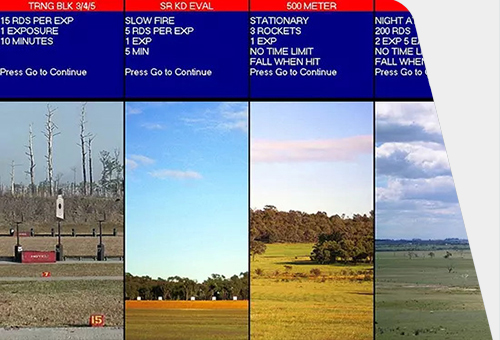
fats® introduces the world’s first virtual lanes marksmanship with after-action review.

fats® introduces the world’s first Indirect Fire Trainer (IFT) and the indoor simulated mortar.
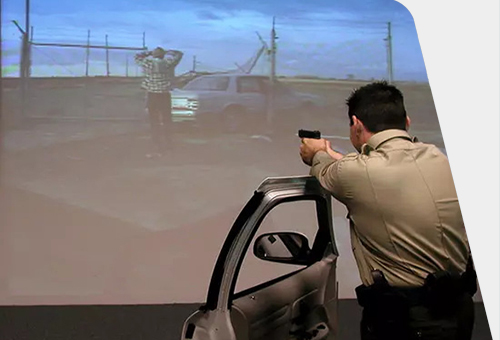
fats® introduces MPEG digital video for multiple branching within one scenario. Fortune Magazine lists fats® as “A Company to Watch.”
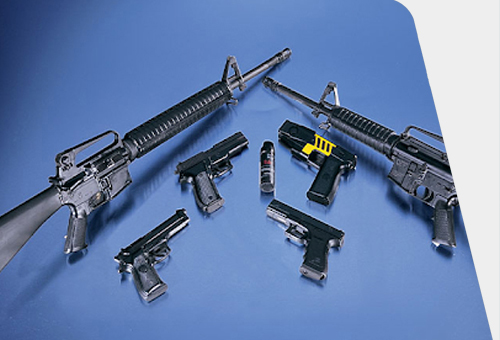
fats® introduces BlueFire®, the world’s first wireless weapon simulator.

Meggitt PLC acquires Firearms Training Systems (fats®) and combines the fats®/Caswell brands to form Meggitt Training Systems.
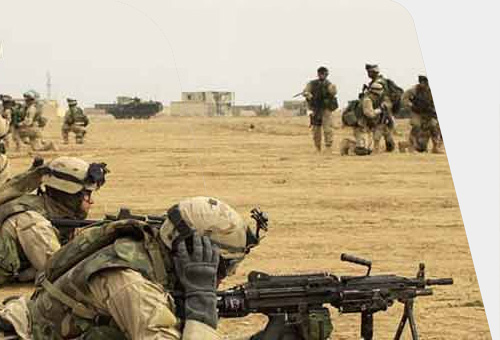
Meggitt wins US Army and US Marine Corps small-arms training contracts, awarded Program of Record.

The fats® 100LE is introduced – developed for the military but customized for public safety training.
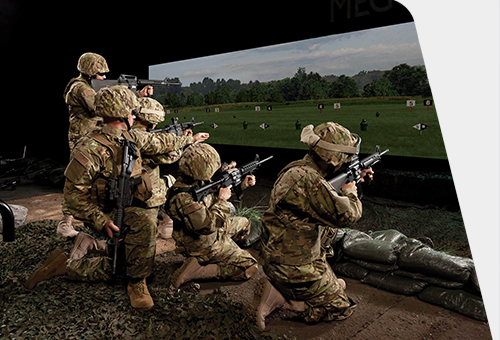
fats® 100 MIL is launched with multiple simulations and training modes for armed forces. fats® 100P is launched, providing portable, virtual de-escalation of force training.
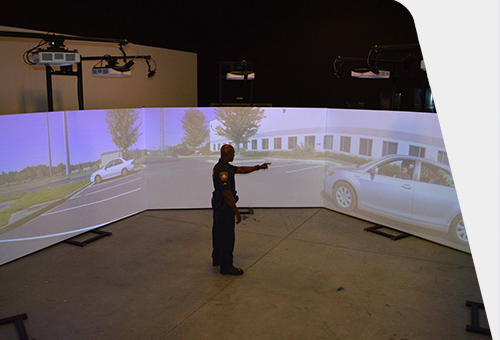
Debut of the fats® 300 and fats® 180 multi-screen systems for immersive 3D markmanship, judgmental and collective training.
Pine Island Capital Partners acquires Meggitt Training Systems and debuts the new company, InVeris.

Caswell™ announces its relaunch as the live fire brand under InVeris®, coinciding with its 100th Anniversary.
Frequently Asked Questions (FAQ) on Building a Live-Fire Range
Building a live-fire shooting range comes with a lot of considerations. Whether you’re practicing your shooting on a private range or building for business purposes, there’s no doubt that you want your experience to be both exciting and safe. That can often come with questions, especially in regards to local laws and working with qualified professionals.
If you’re building a firing range, we’re here to help! We’ve compiled a list of some commonly asked questions that you may have about the process, as well as a helpful checklist to get you started on the right path to building the safest range you can!
Before building a live-fire range, it’s best to establish your goals first. Are you planning to build your range for private use, limiting it solely to family and friends? Do you want to open your range to the public as a business? What kinds of weaponry and technology do you want to use on your range? Should it be indoors or outdoors? What is your budget?
All of these questions are important to answer before you start building, and consultation with experts is usually a good first step.
Deciding whether your range is going to be indoor or outdoor is an important step. With an indoor range, you can have more control over the environment, cancel out noise more effectively, and operate year-round. However, outdoor ranges offer more open space, a realistic environment, and can cost less, though they suffer from being seasonal in nature and requiring more noise management.
Building a live-fire range is generally legal throughout the US, but both local and federal regulations, permits, and zoning requirements may vary depending on where you intend to build. Generally, restrictions will be tougher in more urban areas due to population density, whereas rural areas may offer more leeway. Checking with your local zoning boards and regulatory agencies is a great idea, as they will be able to direct you to the most accurate and up-to-date information regarding legal requirements.
Permits and environmental reviews are often necessary when building a firing range. Local zoning laws are typically where permits become a requirement, but you will also have to conduct approved environmental reviews to ensure that your indoor or outdoor environment meets guidelines in terms of individual safety, fire safety, and even environmental safety. You may have to receive approval from organizations like OSHA and the EPA, particularly for indoor ranges. Consultation with your insurance company about liability concerns is also a must.
Depending on the intent and scope of your range, building costs will vary. A small, private, in-home firing range may cost anywhere between $50,000 and $200,000, but can often cost much more. For large, commercial firing ranges, costs will often exceed $3-4 million. These rough estimates take into account the cost of construction supplies, cleaning and landscaping, installing targets and ventilation, adhering to safety codes, and continued upkeep and maintenance.
At the professional level, designing and building a firing range can take many months, for example anywhere from 7-21 months for a smaller, indoor firing range and up to multiple years for a large-scale commercial range. Factors involved in your timeline will include the size and scope of your project, designing and assessment, the time needed to secure land and the necessary permits, working with contractors and construction agencies, and, finally, inspection and opening.
Live-fire ranges require a number of safety systems in order to function properly and keep users safe from harm. Indoor ranges need to be equipped with bullet traps and backstops to prevent live ammunition from ricocheting and causing injury. They require extensive ballistic containment consisting of walls, ceilings, and floors made of 4,000–5,000 PSI concrete that is at least eight inches thick, or adding AR500 steel to these areas. Ranges also need ventilation systems to remove fumes, shooting stalls or dividers to separate shooters, adequate lighting and targeting systems, and sufficient noise-canceling acoustic treatment.
Outdoor range safety measures?
There are a number of bullet trap and backstop options you can consider for your range. These include:
Ventilation is an important part of indoor firing ranges, as it helps to remove lead dust and other fumes, such as exhaust gases, from the shooting range. HVAC systems that create constant airflow and funnel internal air out while taking in fresh air are necessary. In particular, prioritize an HVAC system with an airflow of 50–75 fpm that can create negative air pressure within your range and facilitate a down-range laminar flow to carry particulates away from shooters.
Noise management is vital when owning and operating a firing range, as excessive noise will often lead to complaints. Check your local ordinances for noise requirements, and when building your range, focus on the two primary noise considerations: Noise Reduction Coefficient (NRC), which refers to lowering noise level within the range to protect users, and Noise Transmission Coefficient (NTC), which refers to preventing the transmission of noise outside of the range. InVeris offers several options for Noise abatement depending on the use case and customer needs.
The type of target systems you offer will depend on what kind of experience you want at your range. Common targeting systems that you may find in gun ranges include retractable carriers, trolley wire or monorail targets, 360° turning or reactive targets, and targets with different speed modes to vary your experience. For more dynamic control, including pre-programmed scenarios, attack and retreat modes, and shot location feedback, implementing overall targeting systems like the InVeris Range Control System (RCS) or the XWT-Pro Target Carrier is another great option.
If your property meets local zoning requirements, as well as adhering to environmental and safety regulations, you can absolutely build a private range. In-home firing ranges are great for training, recreation, or VIP use.
If you are building a commercial firing range, you can make your business stand out by offering a variety of customer-centric features and perks. Consider adding retail elements such as a pro shop, VIP areas and lounges, advanced technology, membership perks, and more.
You can also invest in new technologies and entertainment, such as state-of-the art virtual reality systems like InVeris’ fats® LIVE Hybrid Training System, which pairs live-fire weapons with virtual targets, and Inveris’ Location Of Miss & Hit (LOMAH) System, which measures the precise time of a bullet’s supersonic shock wave to determine hit or miss location. InVeris also offers the state-of-the-art RangeMaster™ 9000 (RM9K), an easy-to-use range control system offering instructors and range personnel the ability to write, store and run training scenarios, which can elevate your range to the next level.
It’s easy to make mistakes when building a firing range, but there are a few that you will very much want to avoid. First, do your best to avoid choosing a poor location, and never skip or ignore zoning laws. Don’t undershoot on costs–remember that things like ventilation and construction always tend to run over, so plan for extra expenses. Be very careful in your equipment selection, choosing high-quality equipment such as that produced by InVeris to ensure maximum safety and reliability. Don’t skimp on maintenance, either, and above all else, consult with experts and professionals early in the design and construction process.
Finally, be wary of working with any contractor or company that provides off-the-shelf quotes or estimates regarding the cost of your range project. Many off-the-shelf quotes fail to take into account the actual space you are working with and various other building considerations. Without expert professionals like InVeris, you run the risk of getting a quote that eats up your entire budget and leaves vital elements of your project unfinished.
Now that you have the answers to some of the most pressing questions about firing ranges, here is a checklist to use when planning your own construction before you get started:
For a more detailed checklist, check out our Build Your Own Range Worksheet!
FOR MORE INFORMATION SCHEDULE TIME WITH OUR EXPERTS

Fill in the form below and we'll send a link for you to download the White Paper to your inbox.
Fill in the form below and we'll send a link for you to download the White Paper to your inbox.
Fill in the form below and we'll send a link for you to download the White Paper to your inbox.