Category: Public Safety03.03.2026
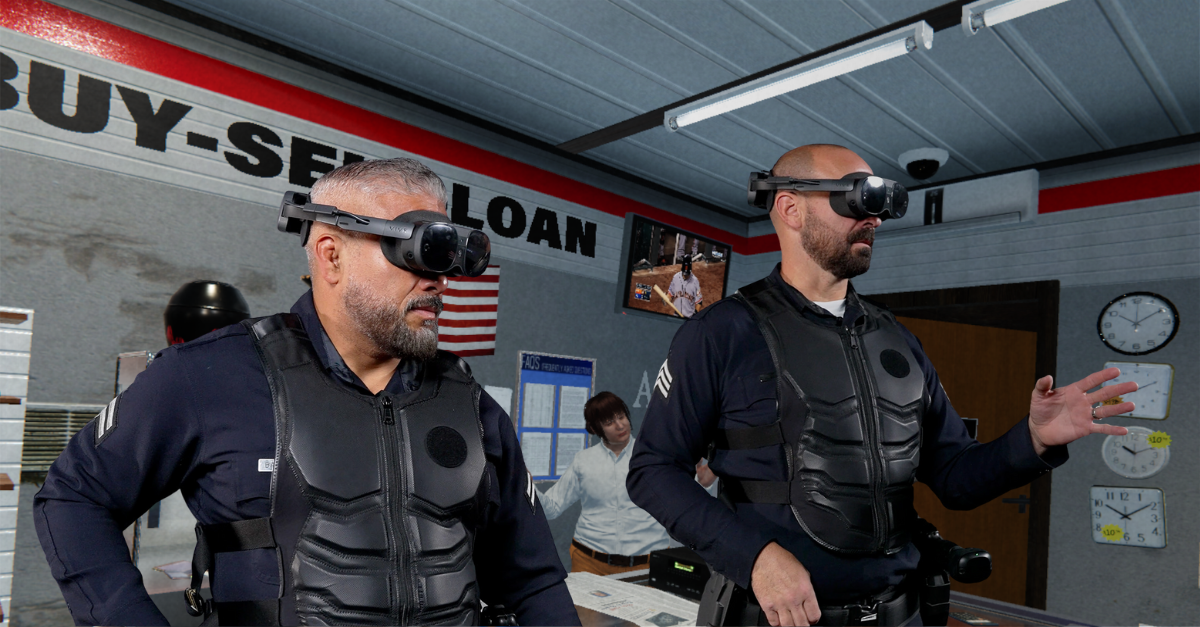
Scenario-based police training exercises simulate real-world situations and test officers’ reactions and responses. These training techniques are designed to prepare officers for high-risk situations and put them through immersive environments that mimic real-life events. Scenario-based training (SBT) gained popularity in recent years due to its hands-on approach and effectiveness.
The hyper-realistic scenarios portrayed in SBT prepare officers to quickly assess threats and respond appropriately. Unlike learning in a classroom, officers get hands-on experience dealing with situations that might actually arise in the real world. The immersive training experience aids in sharpening their judgment and guiding decision-making.
Law enforcement members need to be trained on how to handle stress and regulate their emotions under pressure. Police officers are frequently thrust into high-risk situations on a daily basis, which are simulated by SBT exercises. The exposure to training under stress and the realism practiced in scenario-based training prepare officers for stressful encounters in the field.
Scenario-based police training is praised for its effectiveness because it prepares officers for the unpredictable. SBT keeps officers on their toes so they’re ready to assess and respond to a number of high-pressure situations. The hands-on approach of SBT has shown improved engagement and retention.
Scenario-based police training aims to incorporate the most common and challenging situations that officers might face. This includes traffic stops, domestic disturbances, active shooter or hostage situations, building searches, and use-of-force decision-making drills. These high-pressure situations replicate some of the most critical and difficult aspects of policework. A comprehensive scenario-based training program should prepare officers for the following scenarios:
Scenario-based training provides officers with the opportunity to practice decision making under the simulated stress of real-world scenarios. Officers can enhance their critical thinking abilities and receive real-time feedback on the decisions they make without the consequences or liability of it being a real-life occurrence.
Scenario-based training emphasizes proper communication and gives trainees hands-on experience communicating and police de-escaling situations. This is critical for effective conflict resolution in high-pressure moments.
The repetition of scenario-based training builds muscle memory and tactical consistency. Participants are required to physically intervene rather than writing or communicating the answers verbally. This helps officers develop safe habits that they can rely on in high-pressure situations.
The ability to receive feedback in real-time builds confidence and reduces the number of real-world errors. Officers routinely test their capabilities and must make the right decisions to progress through training. Direct feedback from instructors can correct bad tendencies before they happen in real-life situations.
The interactivity and effectiveness of scenario-based training are vital to forming a reliable and trustworthy law enforcement presence in local communities. Officers trained in scenario-based programs saw a 20% reduction in use-of-force incidents during 2019 in a review of the Milwaukee Police Department.
Despite the benefits of scenario-based police training, there are still a number of challenges to implementing it. A major obstacle preventing scenario-based training from becoming more widespread is the initial cost of equipment, facilities, and trained instructors. To be effective, SBT requires advanced simulation technology, high-quality training equipment, and expert instructors.
Scenario-based training is a newer development in law enforcement, which has resulted in a lack of standardization across the field. Standardization is important for measuring results and adhering to policies. The lack of standardized metrics to evaluate effectiveness has contributed to the difficulty in departments justifying an investment into scenario-based training.
Measuring outcomes can be challenging when evaluating trainees during scenario-based police training. Instructors spot improvements visually but have little data to quantify results. Inconsistent instruction or deviations from planned lessons can also lead to inconsistent results, making outcomes harder to measure.
The knowledge, skill, and experience of instructors can heavily impact the effectiveness of a department’s training program. Instructors in scenario-based training programs need to have years of experience and an in-depth knowledge of department policies to conduct training. Instructor biases or tendencies can also impact how trainees perform during scenario-based training exercises.
The first step towards successfully adopting scenario-based training is tailoring training techniques to align with the department’s specific policies and goals. Instructors must have a clear understanding of department policies to design lesson plans that cater specifically to the department’s necessities and local laws.
Agencies need to establish clear goals, guidelines, and criteria for evaluating exercises before training begins. Creating standard evaluation metrics ensures an accurate gauge of an individual’s improvement during the course of training. Consistency is vital when evaluating and measuring results in scenario-based training.
The foundation of a successful training program is a skilled instructor. In scenario-based training, instructors need to be more than knowledgeable; they need to be experienced. Instructors in these specialized programs need to understand the nuances of police work and be able to demonstrate techniques effectively. Patience and attentiveness to detail are critical in communicating with trainees in these high-pressure environments.
The best way to begin the implementation of scenario-based training in your police department is to encourage a gradual roll out of SBT programs. Agencies don’t need to completely overhaul their existing training regimes but instead can start offering situation-based training where necessary. Start by targeting the most pressing performance issues in your department and continue to add lessons as the program progresses.
Virtual reality and digital simulation tools can be effective alternatives to reduce the costs of launching a scenario-based training program. Utilizing these tools reduces costs by removing the need to build separate training environments for specific role playing scenarios. Departments with a limited budget should consider incorporating modern technology like virtual reality to replicate real-life scenarios at a lower cost.










Fill in the form below and we'll send a link for you to download the White Paper to your inbox.