Category: Military24.02.2026
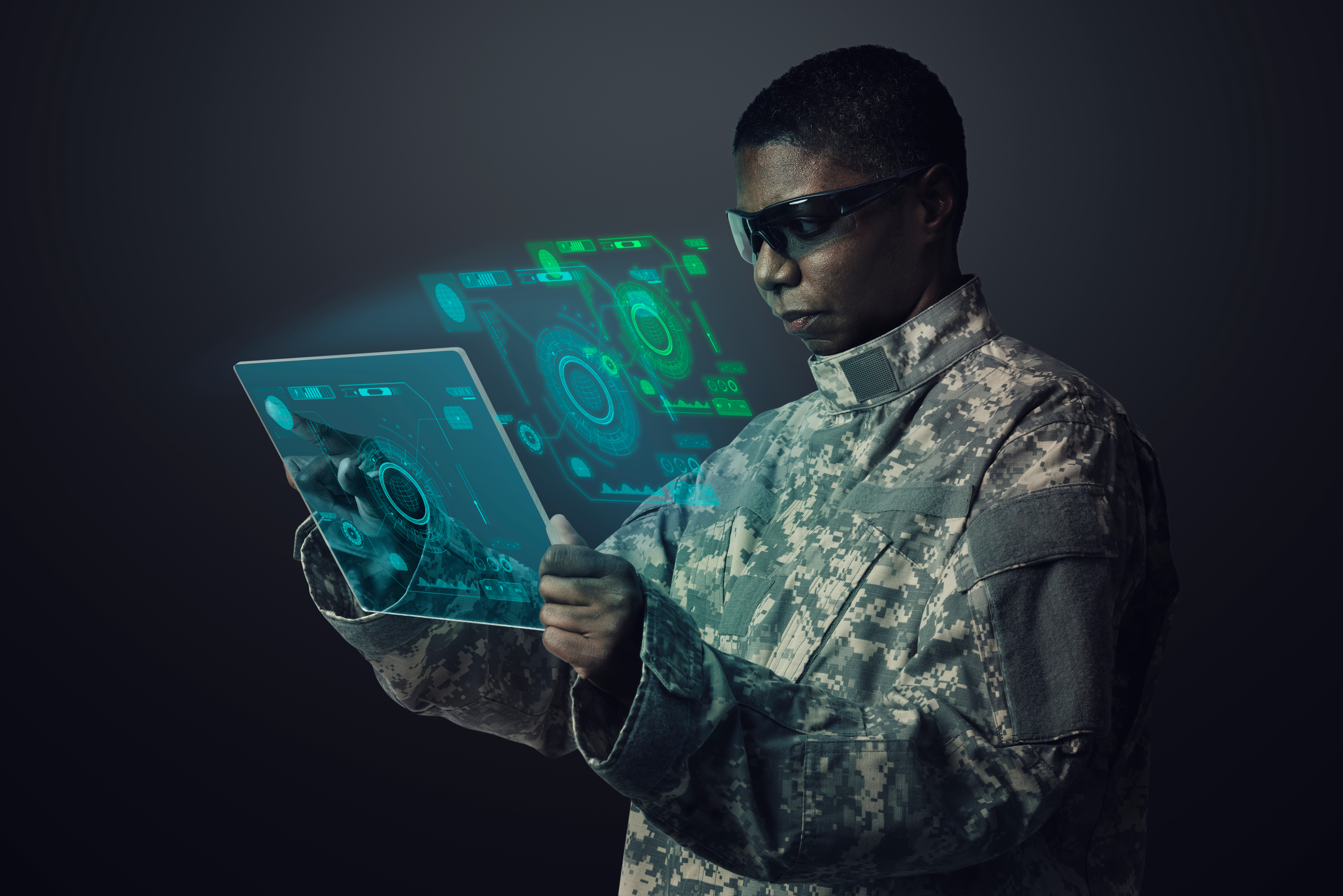
As technological innovations increase in the field, many different militaries are turning to augmented reality (AR). There is a great need for safer, faster, and more precise operational support and AR-powered devices can fill critical gaps in modern defense by providing greater situational awareness as well as needed combat scenario simulations.
To start, it is important to first define what AR exactly means in a defense context. Augmented reality devices overlay real-time data, instructions, and threat information in front of the real world, so that soldiers can have everything they need to train and prepare for missions. AR military support devices reduce the confusion and struggles inherent to operating on the ground while in challenging environments.
AR-powered devices are especially helpful during tactical operations because they provide enhanced situational awareness in real time. This extra data that would not otherwise be available helps every soldier make faster and safer decisions. Such technologies improve target identification, ease of navigation, and overall battlefield intelligence. AR-enabled tech also provides hands-free access to mission-critical data at all times. These enhancements greatly reduce the cognitive load for soldiers stuck in high-stress environments.
One of the first ways that augmented reality tech transforms military maintenance is by providing step-by-step visual overlays so that soldiers can conduct complex repairs in a speedy manner while having all of the information and schematics they need to complete the process.
AR-enabled devices also allow for remote expert support by providing simultaneous visual sharing between two or more screens. In situations where soldiers do not have all of the personnel they need, they can use this enhanced tech to make decisions as if expert support were actively with them.
The real-time guidance afforded by AR-enabled devices also results in major error reduction across the board. The combination of high-stress environments with a lack of key data or personnel can lead to slow and incorrect decision-making, but augmented reality help alleviate both issues.
One of the best ways that augmented reality helps with military training is by creating immersive replications of live combat environments. Soldiers will feel like they are in the specific scenarios, helping them make better and faster decisions when they are faced with the same situations during actual combat.
AR-enabled devices also help soldiers conduct high-risk scenario training in a way that is completely safe and repeatable as needed. The lack of simulation capabilities before meant that soldiers would enter certain situations with no past experience, but that is forever changed thanks to augmented reality tech.
Although the technology is brand new, rest assured that all AR devices can integrate seamlessly with existing simulation platforms so that live exercises are enhanced rather than fully replaced. The technologies can work together to simulate one mission with multiple team members.
One of the most important aspects of AR-powered military support devices is that they are incredibly durable pieces of equipment that have high-brightness displays for outdoor use as well as thermal, GPS, and sensor integration so that rain, extreme heat, and high-impact scenarios can be simulated.
AR-enabled devices also come with AI-assisted object recognition and real-time mapping to give soldiers all of the information they need in an accessible and speedy manner.
AR-powered military devices also use secure communication channels and encryption so that their use is only viewable by the soldiers and supervisors that need access.
One important thing to consider before implementing AR-enabled technology is to ensure that the Wi-Fi network is reliable and has the right level of connectivity for the systems to run smoothly.
You should also think through how you want to integrate augmented reality systems with any legacy systems that you still want to utilize.
Lastly, you will need to set aside the time and personnel to properly train soldiers and technicians so that they can effectively use AR interfaces.
One of the most exciting developments on the AR horizon is using artificial intelligence to assist in battlefield automation so that soldiers only need to control processes that require human intervention.
As technology improves, object recognition and target tracking will also only become better and faster. AR-enabled devices are already capable of AI-assisted object recognition and real-time mapping, but these features will become better and more advanced as various militaries invest in this new tech.
Cloud-based AR will also soon enough be utilized for large- scale operations so that multiple soldiers at once can share AR environments at the same time while making updates in response to real-time scenarios.
In conclusion, AR-power devices are going to define the next generation of military support by aligning novel technology with whatever modern threats arise. These innovations will drastically improve response times, equipment readiness, and overall mission effectiveness. Augmented reality will become a core component of future defense strategies as soldiers require better simulation training and live combat support.











Fill in the form below and we'll send a link for you to download the White Paper to your inbox.